


Leaders' track
Direction from the top
The co-chairs and participating governments set the initiative's direction and decide on what each deep dive brings forward.
The Presidents of Kenya and Finland launched the AI Middle Powers Initiative at the United Nations in September 2026. It is a voluntary, practical framework for turning shared sovereignty into shared capability. Its first deep dive meets in Freetown on 17–18 November, on infrastructure: three African corridors, each pairing clean energy with computing that middle powers can buy.
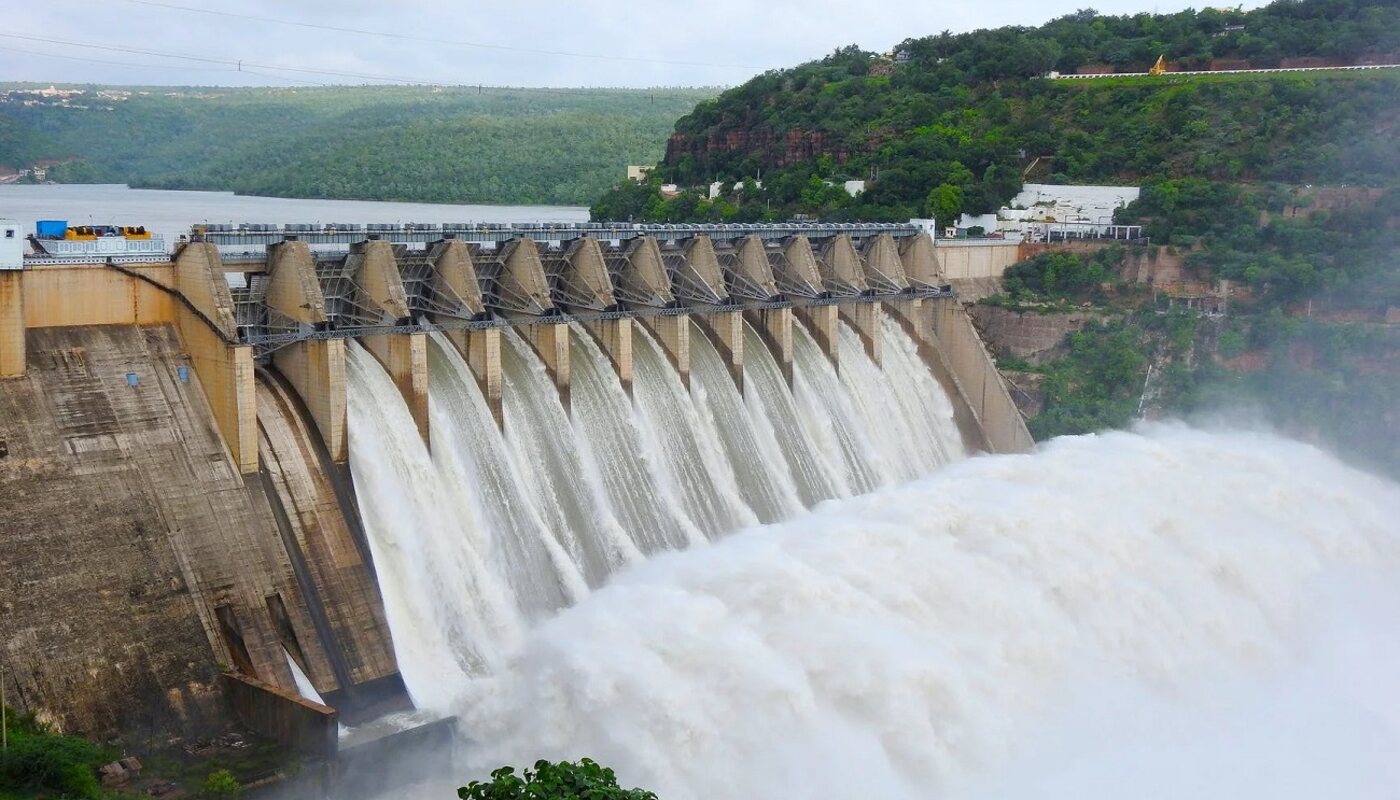
of the world's best solar resources are in Africa
IEA, Africa Energy Outlook 2022of global data-centre capacity sits in Africa
Africa Data Centres Association, 2026African infrastructure projects reaches financial close
McKinsey & Company, 2020No middle power can build every layer of artificial intelligence alone, and none wants to depend on a handful of suppliers for all of it. The initiative pools capability where scale matters. Each country keeps control of what must stay at home.
Take partThe co-chairs and participating governments set the initiative's direction and decide on what each deep dive brings forward.
Working-level stations turn the initiative's three questions into projects. Freetown hosts the first, on infrastructure, and Nairobi follows in December.
At the leaders' roundtable in New York on 21 September 2026, each participant was asked what it can contribute, which dependency it wants to reduce, and how it will cooperate.
Hydro, geothermal and solar sites with room to grow, a young workforce, and projects prepared to a standard that lenders can read and trust.
African demand for computing is growing, but slowly. A plant built only for today's local demand does not get financed, so the capacity never arrives for the demand to grow into.
A middle power already buying a decade of computing places a share of it at an African site under a ten-year Compute Purchase Agreement. No new money is asked for. The signature does the work.
Energy flows to the compute campus. The buyers' ten-year purchase commitment flows back to the plant, and that signature is what makes it bankable.
Mobilising the capital that AI infrastructure needs, on terms middle powers can carry.
Energy, computing and data systems that participating countries can rely on and govern under their own law.
The people and institutions needed to build AI, run it and govern it.
The undersea cables reached Mombasa ahead of the traffic, because buyers signed for capacity before it existed. Demand grew into it. The same rule can work for compute.
Each corridor pairs a hydro project in West, East or Southern Africa with a compute campus sized to its first contract. All three use the same contract template, so a buyer's lawyers only have to read it once.
See the Freetown programmeNoteThe corridor projects on this page are proposals in preparation. Nothing is agreed with any government, project owner or buyer until it is in writing.
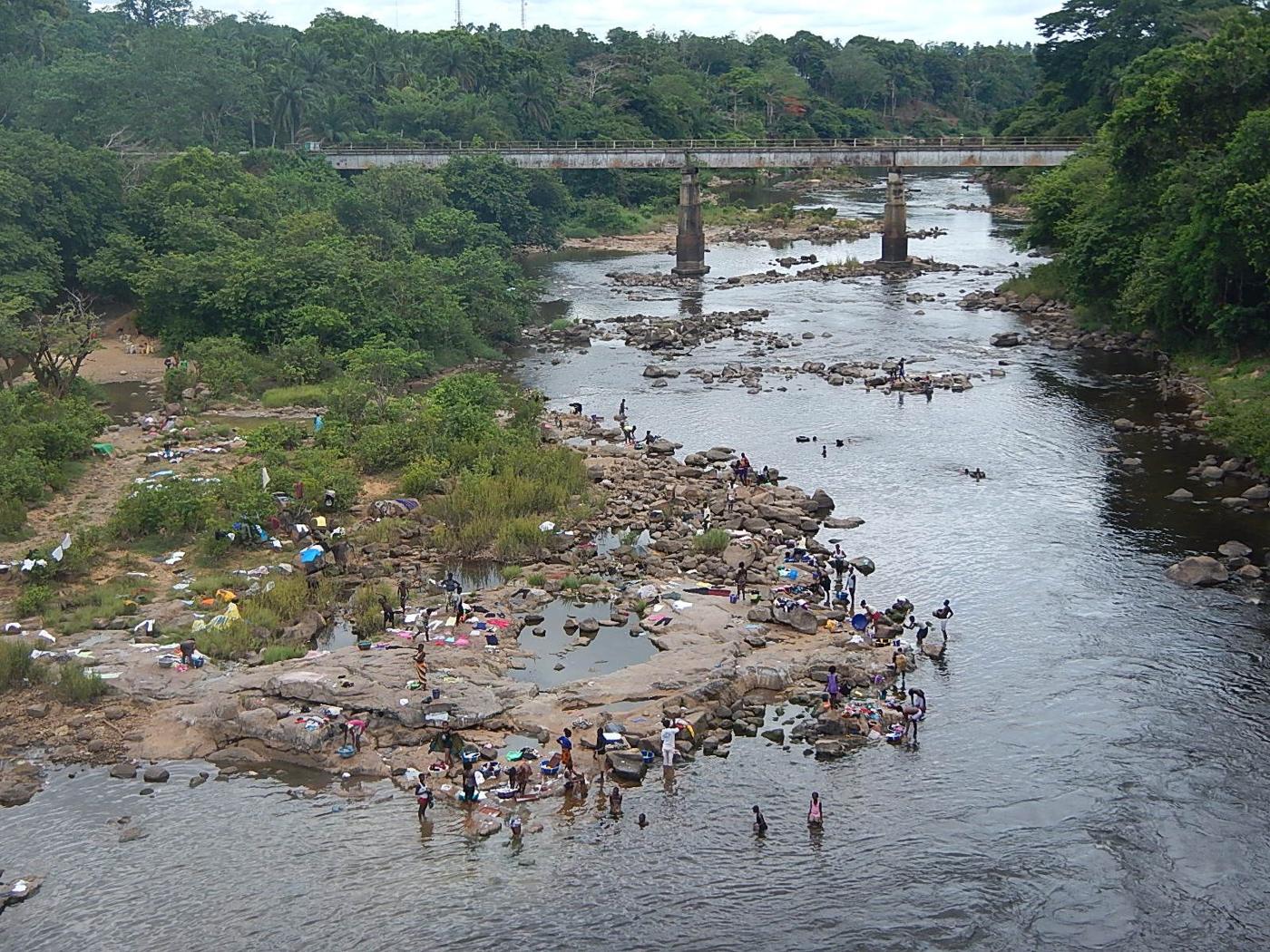
The first contract on the table. A run-of-river hydro plant at Betmai Falls, near the northern mining hub and on the transmission route to Freetown. A compute campus takes a share of its output under a ten-year contract, and the rest strengthens the national grid.
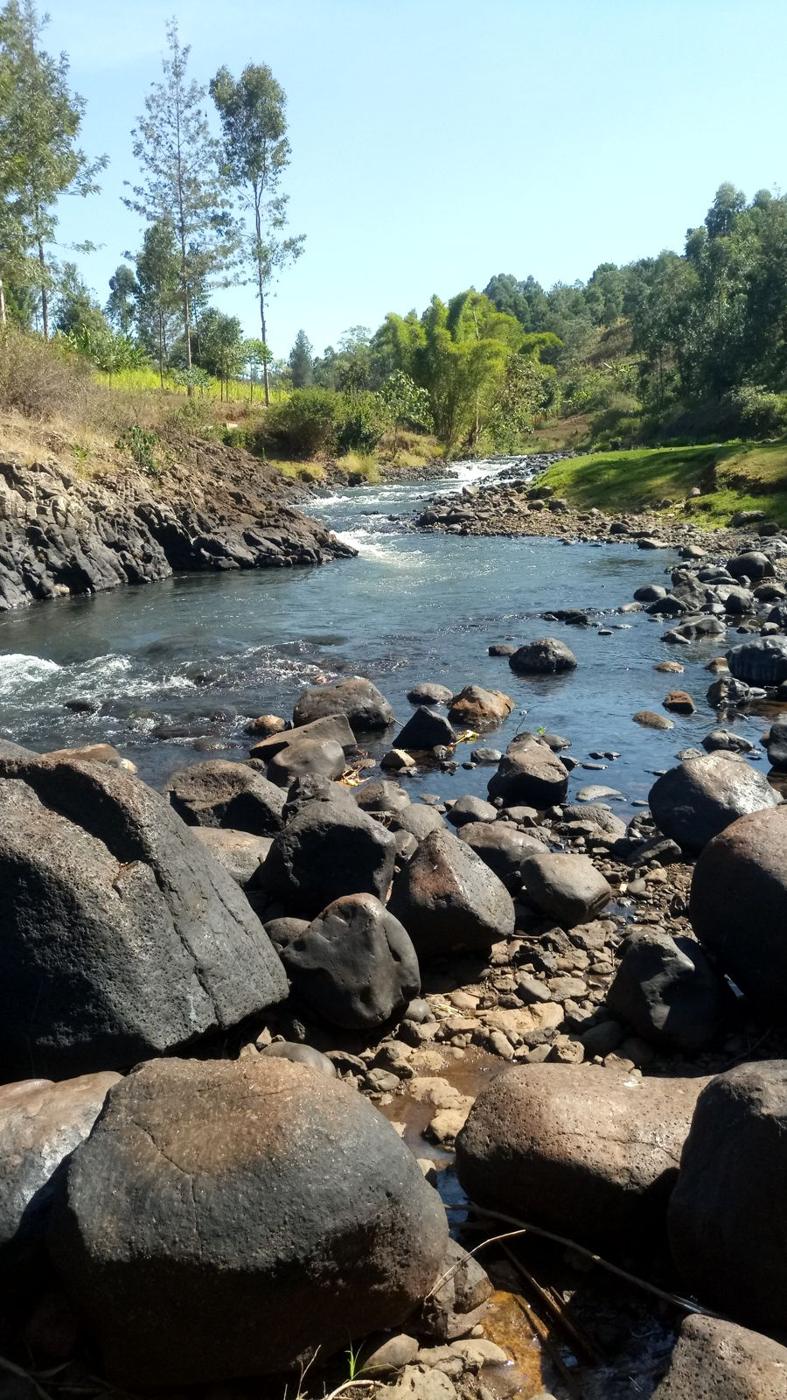
A hydro cascade on the slopes of Mount Kenya with a completed feasibility study, held back while Kenya paused new power purchase agreements. A compute buyer can be the long-term offtaker the grid could not be, with a small campus sized to the plant beside it.
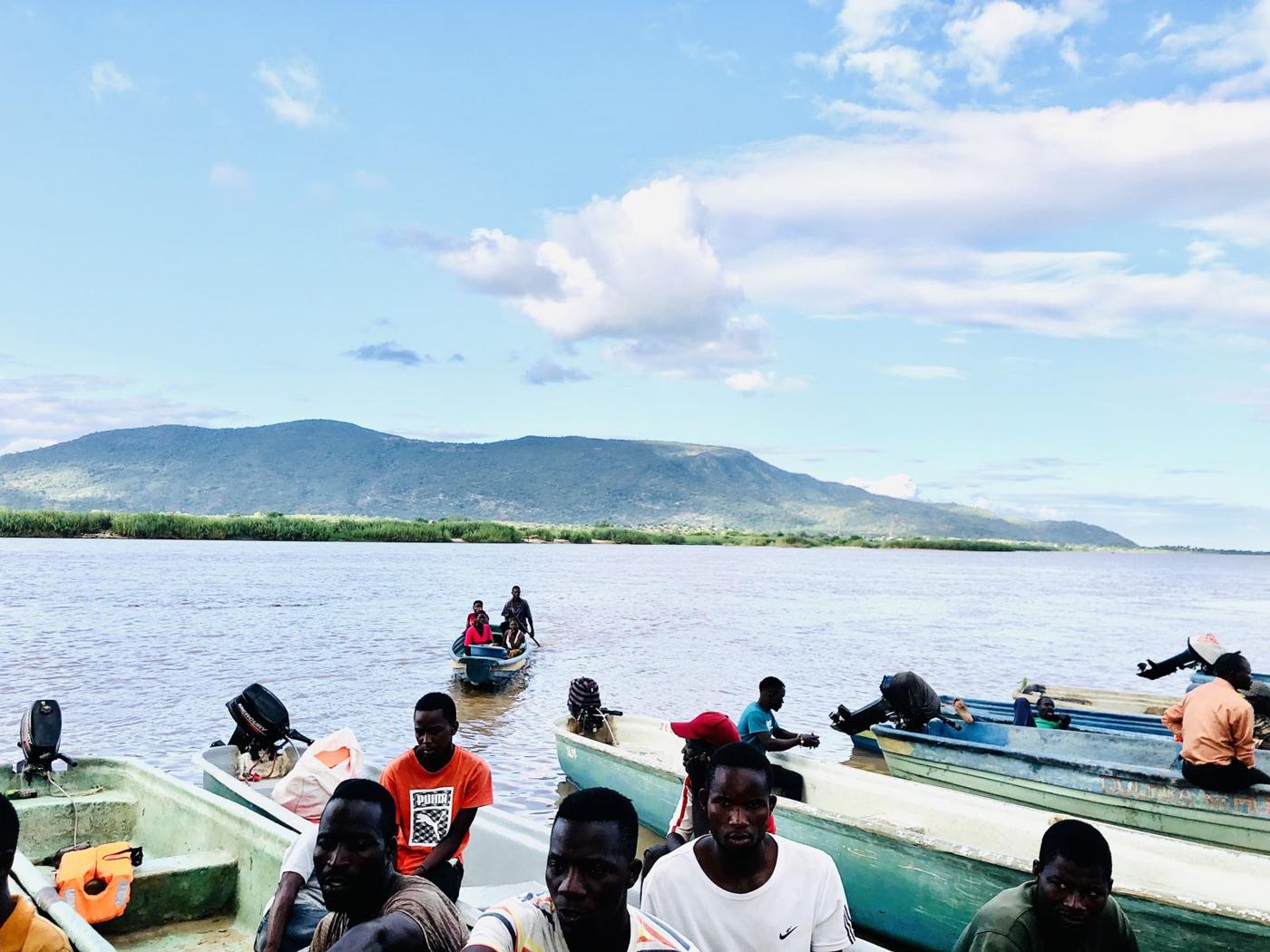
Two speeds. A first campus runs on power that already flows from Cahora Bassa. A buyer's option is written into the offtake plans for Mphanda Nkuwa now, so the signature arrives years before the plant does.
The initiative's infrastructure deep dive meets at the West Africa Integration and Investment Summit. Sierra Leone brings all three layers at once, which is why the first contract starts in Freetown. Hardware without rules cannot hold sensitive data. Rules without hardware stay on paper. And neither gets financed until a buyer signs.
See the Freetown programme Freetown and its harbour from the air · Photo: David Hond, CC BY 2.0
Sierra Leone is designing a data embassy: its most important state records mirrored abroad under the law of a partner that already protects them, and later a shared node with its neighbours. The Data Protection Bill sets the timetable, and the policy framework is launched at the Summit.
Policy launch · the law decides when sensitive data can move
Two kinds of capital meet in the Summit's Deal Room. Development finance comes through the AI 10 Billion initiative of the African Development Bank and UNDP, whose Secretariat holds its sessions in Freetown the same week. Purchase commitments come from middle-power buyers, and they are what make the plant bankable.
Investment platform · commitments recorded in one register
Betmai hydro and a compute campus sized to its first contract. Investors own the plant and the machines, and the ten-year purchase agreement pays for them. Sierra Leone keeps the grid gains and the capacity to grow into.
28.2 MW hydro · phase-one campus · ten-year CPA
The working group starts in the pre-summit week and reaches the leaders on the Summit's two main days, Opportunity Day and Deal Day. The AI 10 Billion sessions run alongside. Open sessions can be joined in Freetown or online, and the main moments are streamed live.
Take part in person or onlineCorridor teams and buyer-side delegations scope one project each, covering the energy, the computing, the demand and the finance.
The first stage of the AI 10 Billion country cycle. The ministry and lenders review Sierra Leone's country analysis and prepare the Deal Room.
Power purchase agreements made power plants bankable. A utility signed to buy the electricity, and the finance followed. The CPA applies the same logic to computing: a creditworthy buyer commits to ten years of capacity from a named African site. The buyer gets clean, long-term capacity at an indexed price, outside the most congested markets. The host gets a financed plant, a grid that reaches further, and computing capacity its own economy can grow into.
Take partIndicative termsCommon to all three corridors
Ten years, with a price reopener at year five
Service, residency and availability. Never a named chip generation, so hardware can be refreshed.
A committed tranche sized to finance phase one, with burst capacity above it
Indexed to a public compute benchmark, with a floor that services the debt
Transmission and interconnection financed together with the plant
Several buyers can join one contract through a single aggregating counterparty
Host law for the site and the energy; a neutral seat for the contract
Data is handled in three tiers. Each tier opens only when the legal protection behind it is in force, and nobody is asked to trust a promise.
Held under a contractual residency clause. The buyer's own law governs its data.
Only under a reciprocal data-embassy instrument, and only where the host's data-protection law is in force.
Stays under the host's law. Nothing leaves without the depositing country's own instrument.
Each station moves the work one step closer to signed contracts. Leaders decide on what is ready.
See the Freetown programme 01
The initiative launched at the leaders' roundtable "Shared Sovereignty in the AI Era", held at UN Headquarters and co-chaired by Kenya and Finland.
 02
Infrastructure deep dive at the West Africa Integration and Investment Summit. Betmai term sheet tabled, data embassy policy launched, Deal Room open.
 03
Internet Governance Forum. Freetown's results go to the co-chairs, the East corridor is tabled, and leaders decide on extending the work.
 04
More hosts in Europe and Asia are under discussion, and a Southern Africa station will be proposed.
Register for the working group and the open sessions. Delegates in Freetown can take part in every open session. Online participants join the working group and the pre-summit sessions, and the main moments are streamed live. If you can, bring one scoped project: the energy, the computing, the demand and the finance.